Last updated: August 18, 2026
Quick Answer
A multistate Salmonella Javiana outbreak linked to contaminated jalapeño peppers has sickened dozens of people across the United States, with confirmed cases tied to meals at Chipotle Mexican Grill and Qdoba restaurants. The CDC and FDA are actively investigating, and both chains have pulled fresh jalapeños from their menus as a precaution. Consumers who ate at these restaurants in late July or early August 2026 and developed gastrointestinal symptoms should contact a healthcare provider.
Key Takeaways
- The outbreak strain is Salmonella Javiana, a serotype associated with fresh produce contamination.
- Both Chipotle and Qdoba have voluntarily removed jalapeños from their menus following early case clusters in Minnesota. [3][7]
- The FDA and CDC are jointly investigating the source, with a Coast Citrus supplier recall already issued. [1][2]
- Symptoms include diarrhea, fever, and stomach cramps, typically appearing 6 hours to 6 days after exposure.
- Most healthy adults recover within 4 to 7 days without hospitalization.
- High-risk groups, including young children, the elderly, and immunocompromised individuals, face greater risk of severe illness.
- Fresh jalapeños from retail stores may also be affected; consumers should check FDA recall notices before purchasing.
- Legal action against restaurant chains is possible but depends on establishing a direct causal link between a specific meal and confirmed illness.
- Anyone who believes they were sickened should report the illness to their local health department to aid the investigation.
What Is Salmonella and How Does It Spread in Food
Salmonella is a group of bacteria that causes one of the most common foodborne illnesses in the United States. It spreads when food contaminated with animal or human fecal matter is consumed without adequate cooking or sanitation.
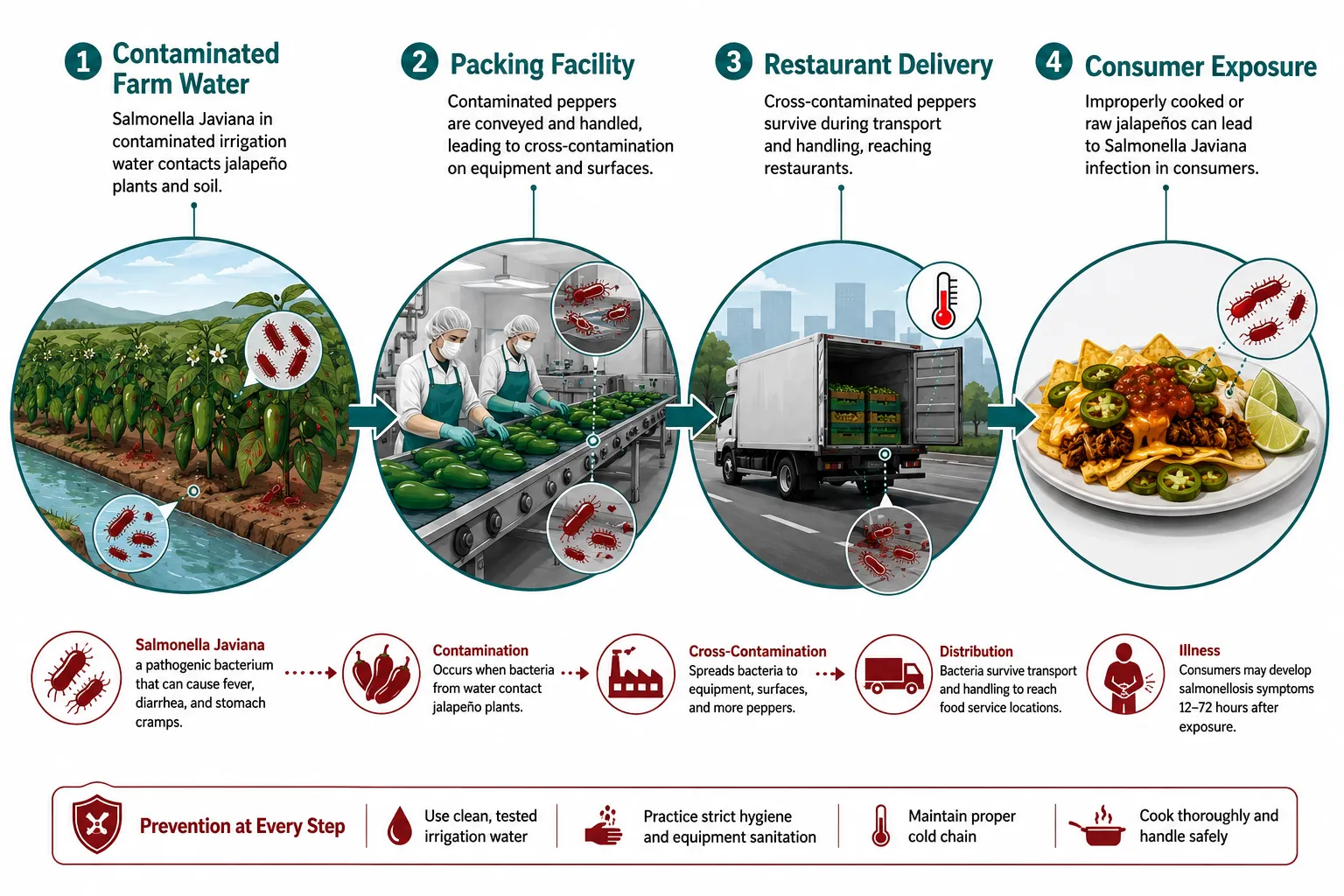
Fresh produce, including peppers, tomatoes, and leafy greens, is particularly vulnerable because it is often eaten raw. Contamination can occur at any point in the supply chain: irrigation water, handling at packing facilities, or cross-contamination during transport. The Salmonella Javiana serotype involved in this outbreak is known to colonize fresh fruits and vegetables and has caused produce-linked outbreaks before. [2]
Key transmission routes for fresh produce:
- Contaminated irrigation or wash water at the farm
- Unsanitary handling at packing or processing facilities
- Cross-contamination during distribution or restaurant prep
- Improper handwashing by food handlers
The Jalapeño Salmonella Outbreak Hits Chipotle & Qdoba Customers This August: What Happened
The jalapeño salmonella outbreak hits Chipotle & Qdoba customers this August after health officials in Minnesota identified a cluster of Salmonella Javiana cases in early August 2026 with a common link to fast-casual Mexican-style restaurants. Chipotle was the first chain to act, announcing on August 4, 2026, that it was pulling jalapeños from all U.S. locations while the source was investigated. [3][5]
Qdoba followed with its own jalapeño removal shortly after, and the FDA opened a formal outbreak investigation. [7] The distributor Coast Citrus issued a recall of implicated jalapeño lots. [1] As of mid-August 2026, the CDC’s case count was still growing, with cases reported across multiple states. [9]
Timeline of key events:
| Date | Development |
|---|---|
| Late July 2026 | First illness reports linked to restaurant meals |
| Early August 2026 | Minnesota cluster identified; Chipotle notified |
| August 4, 2026 | Chipotle pulls jalapeños nationwide [3][5] |
| August 4-7, 2026 | Qdoba removes jalapeños; FDA opens investigation [7][1] |
| August 11, 2026 | Reports emerge of Chipotle acting ahead of regulators [6] |
| August 18, 2026 | CDC investigation ongoing; case count still rising [9] |
Symptoms of Salmonella Poisoning: What to Watch For
Salmonella infection causes diarrhea, fever, and abdominal cramps that typically begin 6 hours to 6 days after eating contaminated food. Most people also experience nausea and vomiting.
Symptoms to monitor closely include:
- Diarrhea that is watery or, in severe cases, bloody
- Fever above 102°F (38.9°C)
- Stomach cramps and nausea
- Vomiting and loss of appetite
- Dehydration signs: dry mouth, dark urine, dizziness
Salmonella Javiana specifically tends to produce gastrointestinal symptoms that can be mistaken for a stomach virus. The key distinction is the fever, which is less common with a typical stomach bug. [4]
How Long Does Salmonella Last in Your System
Most Salmonella infections resolve on their own within 4 to 7 days. In healthy adults, the immune system clears the bacteria without medical intervention, though dehydration from diarrhea and vomiting remains the main risk.
In some cases, particularly among young children, adults over 65, pregnant women, and people with weakened immune systems, the infection can last longer or spread beyond the gut to the bloodstream, a condition called bacteremia. This is a medical emergency requiring antibiotic treatment. [4]
How to Treat Salmonella Infection at Home and When to Go to the Hospital
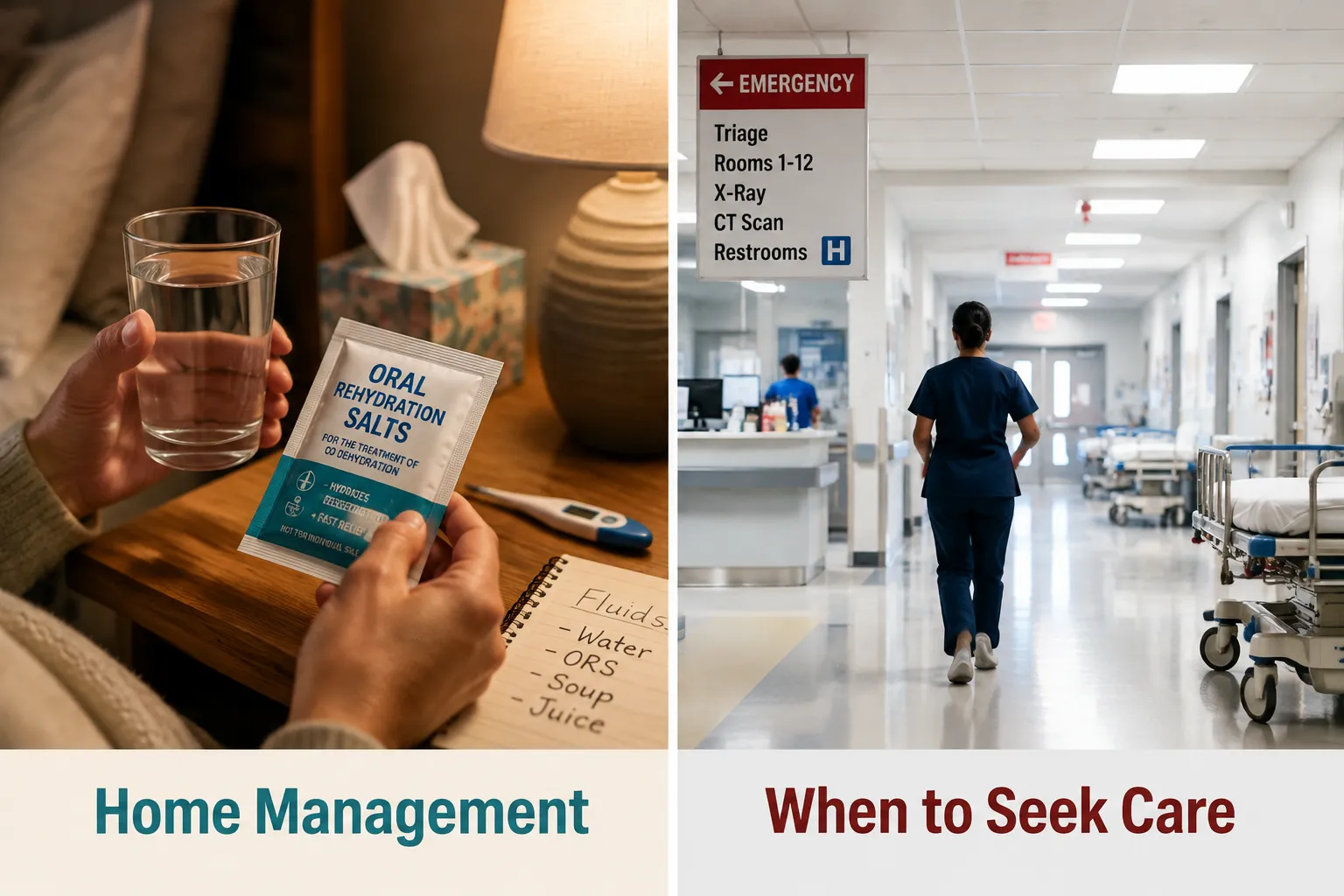
Mild Salmonella illness can be managed at home with rest and fluid replacement. The priority is preventing dehydration.
Home management steps:
- Drink plenty of clear fluids: water, broth, or oral rehydration solutions (such as Pedialyte or Gatorade diluted with water).
- Avoid dairy, fatty foods, and caffeine until symptoms resolve.
- Rest and avoid strenuous activity.
- Do not take anti-diarrheal medications like loperamide without medical advice, as they can slow the body’s ability to clear the bacteria.
- Wash hands thoroughly to avoid spreading the infection to others.
Go to the emergency room or urgent care if:
- Diarrhea lasts more than 3 days without improvement
- Fever exceeds 102°F (38.9°C)
- There is blood in the stool
- Signs of severe dehydration appear (no urination for 8+ hours, extreme dizziness)
- The patient is an infant, elderly, pregnant, or immunocompromised [4]
Which Chipotle and Qdoba Locations Were Affected
The initial case cluster was concentrated in Minnesota, but the outbreak quickly spread to multiple states as the investigation expanded. Chipotle removed jalapeños from all U.S. locations as a nationwide precaution, not just from affected regions. [5][10] Qdoba similarly pulled jalapeños chain-wide rather than targeting specific stores. [7]
The FDA’s investigation points to a shared jalapeño supplier, meaning the risk was not limited to a single geographic area. Consumers who ate at any Chipotle or Qdoba location between late July and early August 2026 and developed symptoms consistent with Salmonella should report their illness to their local health department and consult a doctor. [1][8]
Can You Get Salmonella from Cooked Jalapeños
No. Cooking jalapeños to an internal temperature of 165°F (74°C) kills Salmonella bacteria. The risk in this outbreak is specifically tied to fresh, raw jalapeños used as toppings or in fresh salsas, not to cooked or roasted peppers.
At Chipotle and Qdoba, jalapeños are typically served raw as a topping, which is why the contamination was able to cause illness. Customers who ordered dishes without raw jalapeño toppings during the outbreak window face significantly lower risk. [3][8]
Is Chipotle or Qdoba Responsible for the Outbreak
Both chains appear to have responded responsibly once the outbreak was identified, with Chipotle notably acting ahead of formal regulatory directives. [6] Responsibility in foodborne illness outbreaks is typically shared across the supply chain, from the farm and distributor to the restaurant.
The FDA’s investigation is focused on the supplier, Coast Citrus, which issued a recall of implicated jalapeño lots. [1] Whether either restaurant chain bears legal liability depends on whether they knew or should have known about contamination risks and failed to act. Legal experts note that restaurants have a duty of care to serve safe food, but proving negligence requires establishing that the chain deviated from reasonable food safety standards. [4]
Can You Sue Chipotle for the Salmonella Outbreak
Affected customers may have legal grounds to pursue a claim, but success depends on meeting specific criteria. To bring a successful lawsuit, a plaintiff generally needs to show:
- A confirmed Salmonella Javiana diagnosis (laboratory-tested stool sample)
- A documented meal at the restaurant during the exposure window
- Epidemiological evidence linking their case to the outbreak strain
- Documented damages: medical bills, lost wages, or lasting health effects
Food safety attorneys note that class action suits are common in multistate outbreaks of this scale. Anyone considering legal action should preserve all medical records and restaurant receipts and consult an attorney specializing in foodborne illness litigation. [4]
Are Fresh Jalapeños Safe to Eat Right Now
As of mid-August 2026, consumers should check the FDA’s active recall list before purchasing fresh jalapeños from any retailer. The recall issued by Coast Citrus covers specific lot numbers and distribution dates. [1] Jalapeños not covered by the recall from other suppliers are not currently implicated.
Practical guidance for consumers:
- Check the FDA recall page for specific lot numbers and “best by” dates covered by the recall. [1]
- If in doubt, discard fresh jalapeños purchased in late July or early August 2026.
- Thoroughly washing jalapeños reduces but does not eliminate Salmonella risk on fresh produce.
- Cooking jalapeños fully eliminates the risk.
How to Avoid Salmonella When Eating at Restaurants
Restaurant diners can take several practical steps to reduce their exposure to Salmonella and other foodborne pathogens, especially during an active outbreak.
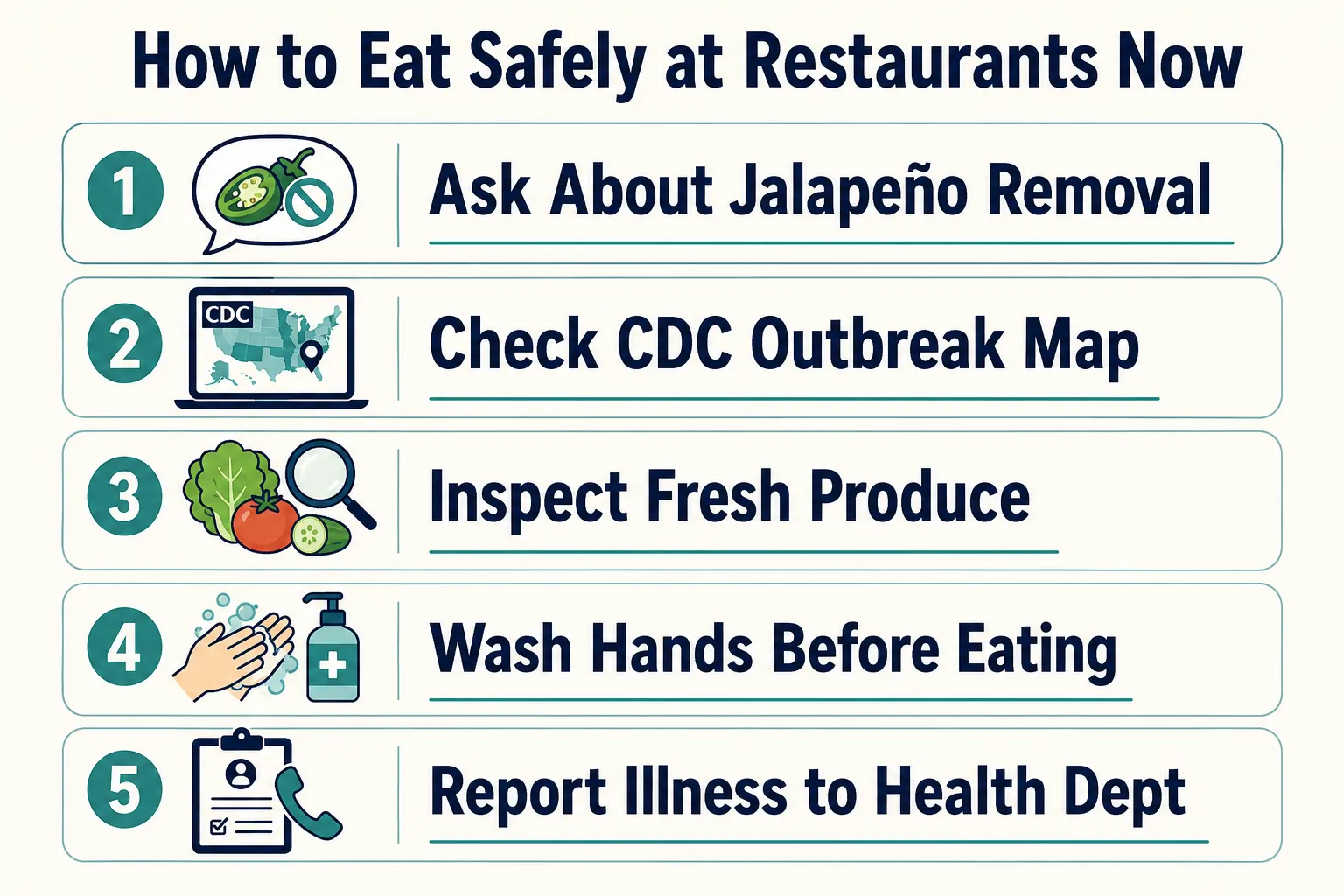
- Ask staff whether the restaurant has removed the implicated ingredient (jalapeños, in this case).
- Avoid raw toppings or fresh salsas when an active outbreak linked to fresh produce is under investigation.
- Choose cooked menu items during outbreak periods.
- Check the CDC’s outbreak map before dining out if you are in a high-risk group. [9]
- Report any illness to your local health department within a few days of symptom onset to help investigators identify case clusters faster.
How Do Restaurants Test for Salmonella and What Other Foods Have Been Contaminated
Restaurants themselves do not routinely test for Salmonella on incoming produce. Testing is typically performed by suppliers, third-party food safety auditors, and regulatory agencies. When an outbreak is suspected, the FDA and CDC collect samples from implicated lots and conduct whole-genome sequencing to match the outbreak strain to a specific source. [2]
Beyond jalapeños, Salmonella has been linked to a wide range of fresh produce in recent years, including cucumbers, cantaloupes, sprouts, and leafy greens. It has also been associated with raw poultry, eggs, and unpasteurized dairy. The current outbreak is a reminder that fresh produce carries meaningful contamination risk when supply chain hygiene fails. [4][8]
Frequently Asked Questions
Q: What strain of Salmonella is causing this outbreak? A: The outbreak strain is Salmonella Javiana, a serotype commonly linked to fresh produce. The CDC is using whole-genome sequencing to match patient samples to the outbreak source. [2]
Q: How many people have been sickened so far? A: As of mid-August 2026, the CDC’s case count is still growing and an exact confirmed number has not been finalized. Check the CDC’s active investigation page for the latest figures. [9]
Q: Did Chipotle know about the contamination before acting? A: Reports indicate Chipotle acted ahead of formal regulatory directives, pulling jalapeños on August 4, 2026, before the FDA issued a public advisory. [6]
Q: Is it safe to eat at Chipotle or Qdoba now that jalapeños are removed? A: Both chains have removed the implicated ingredient. The risk from jalapeños specifically is significantly reduced now that they have been pulled from menus. [3][7]
Q: Should I get tested if I think I have Salmonella? A: Yes. A stool culture is the only way to confirm a Salmonella diagnosis. Testing is important both for your own treatment and for helping health officials track the outbreak.
Q: Can I get Salmonella from jalapeños I bought at a grocery store? A: Possibly, if the jalapeños came from a recalled lot. Check the FDA’s recall list for specific lot numbers and purchase dates. [1]
Q: Who is most at risk of serious illness from this outbreak? A: Young children under 5, adults over 65, pregnant women, and people with weakened immune systems face the highest risk of severe or prolonged illness. [4]
Q: How do I report a suspected case of Salmonella linked to this outbreak? A: Contact your local or state health department. You can also report to the CDC through your healthcare provider or via the CDC’s illness reporting portal. [9]
Q: Will antibiotics help treat my Salmonella infection? A: For most healthy adults, antibiotics are not recommended for uncomplicated Salmonella gastroenteritis and may even prolong the carrier state. Antibiotics are reserved for severe cases or high-risk patients, as determined by a physician.
Q: What is Coast Citrus’s role in this outbreak? A: Coast Citrus is the distributor that issued a recall of jalapeño lots implicated in the outbreak. The FDA is investigating the full supply chain back to the farm level. [1]
Conclusion
The jalapeño salmonella outbreak hits Chipotle & Qdoba customers this August as a sharp reminder of how quickly a single contaminated ingredient can ripple through a national restaurant supply chain. Both chains acted swiftly to remove jalapeños, and federal agencies are working to identify the root source and scope of the recall.
Actionable next steps for consumers:
- If you ate at Chipotle or Qdoba in late July or early August 2026 and have symptoms, see a doctor and request a stool culture.
- Check the FDA’s active recall list at FDA.gov to see if any jalapeños you purchased at retail are covered. [1]
- Report any confirmed illness to your local health department to help investigators map the outbreak.
- Follow the CDC’s investigation page for updated case counts and any expansion of the recall. [9]
- High-risk individuals should avoid raw jalapeños from any source until the FDA declares the outbreak over.
Staying informed through official CDC and FDA channels is the most reliable way to protect yourself and your family as this investigation continues.
References
[1] Outbreak Investigation Salmonella Jalapeno August 2026 – https://www.fda.gov/food/outbreaks-foodborne-illness/outbreak-investigation-salmonella-jalapeno-august-2026
[2] Investigation – https://www.cdc.gov/salmonella/outbreaks/javiana-08-26/investigation.html
[3] 2026 08 04 A Statement From Chipotle On Food Safety – https://newsroom.chipotle.com/2026-08-04-A-Statement-from-Chipotle-on-Food-Safety
[4] 2026 Jalapeno Salmonella Outbreak – https://foodpoisoningbulletin.com/2026-jalapeno-salmonella-outbreak/
[5] Chipotle Mexican Grill Pulls Jalapenos Linked Minnesota Salmonella Cases 2026 08 04 – https://www.reuters.com/business/chipotle-mexican-grill-pulls-jalapenos-linked-minnesota-salmonella-cases-2026-08-04/
[6] Chipotle Races Ahead Of Regulators To Contain Jalapeno Linked Salmonella Outbreak – https://www.latimes.com/business/story/2026-08-11/chipotle-races-ahead-of-regulators-to-contain-jalapeno-linked-salmonella-outbreak
[7] Chipotle Qdoba Recall Jalapenos Salmonella 12035844 – https://www.eatingwell.com/chipotle-qdoba-recall-jalapenos-salmonella-12035844
[8] Salmonella Outbreak Jalapeno Recall Taylor Farms Chipotle What Know Rcna591703 – https://www.today.com/health/disease/salmonella-outbreak-jalapeno-recall-taylor-farms-chipotle-what-know-rcna591703
[9] Index – https://www.cdc.gov/salmonella/outbreaks/javiana-08-26/index.html
[10] Chipotle Pulled Jalapenos Tied To Minnesota Salmonella Cases – https://www.bloomberg.com/news/articles/2026-08-04/chipotle-pulled-jalapenos-tied-to-minnesota-salmonella-cases
Leave a Reply